
How Contractors Prioritize Storm Restoration Jobs After Weather Hits
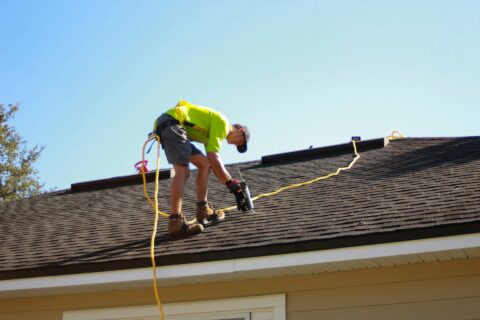
When severe weather passes through Texas, the damage can range from missing shingles to full roof collapses. In some neighborhoods, homes may look untouched, while others need immediate help. After the storm clears, many homeowners are left wondering how and when the repairs will begin. For storm restoration contractors, that’s when the hard work really starts. We evaluate hail, flood, and severe thunderstorm damage across the Dallas-Fort Worth area and restore roofing, exteriors, and interiors so homes can get back to normal.
Every job matters, but figuring out which one goes first is never random. Priorities are shaped by safety, the extent of the damage, and what can be tackled safely. Timing matters too. Acting too fast without a solid plan can make things worse. That’s why storm restoration contractors use a strategy to help bring order to a very chaotic situation.
First Check: Safety and Emergency Response
Our first step is always safety. Before we start repairs, we need to make sure the site is safe to walk through and work in. After some storms, we have had to wait for firefighters or utility teams to handle urgent threats before even pulling into the driveway.
Here’s what we check before moving forward:
- Downed wires or gas leaks that could put people in danger
- Weak or broken structures that need bracing
- Roof holes or shattered windows that need temporary covering
Sometimes the first visit is about preventing more damage. That might look like putting up tarps or boarding over openings to keep out rain and wind while we prepare for longer repairs. It’s not always about fixing everything on the first day. It’s about stopping things from getting worse.
Damage Level and Type
Once it’s safe, we start assessing the damage itself. The jobs that get attention first are usually ones where the interior of the home is exposed or flooding risks are high. A shingle repair can wait. A roof tear over a living room cannot.
Storms hit homes in different ways, so we look closely at:
- Roof damage that allows water or pests to get inside
- Soaked materials that need to be removed to avoid mold
- Wall or ceiling cracks that might point to deeper issues
Wind damage may show up right away, while water damage can take days to fully reveal itself. We check attic spaces, ceilings, and crawl areas for materials that might look okay but are actually soaked and sagging. The longer wet wood or insulation sits, the more problems it causes, so we try to get ahead of those surprises.
Access and Site Conditions
It’s frustrating, but sometimes we can’t start where we want to simply because the property is too hard to reach. Downed trees, fallen power lines, and heavy debris can block entire roads or driveways, especially in rural or wooded areas. In some cases, neighborhoods are closed off for a day or two while emergency services finish up.
When we can get in safely and the power is stable, we move faster. But we are not going to rush a job if the site still feels unsafe for crews and homeowners.
These are a few things that affect the schedule:
- Whether roads are passable for trucks and trailers
- If the home has electricity or backup power for tools
- Whether weather conditions are stable enough for crews to work safely
Getting started quickly is important, but not if it puts people or the property at risk.
Communication and Pre-Planning
We often start hearing from homeowners during or just after a storm, especially those who have had inspections in the past or whose homes have known problem areas. That kind of history helps us plan not just by damage level, but also by what is already in place and what paperwork is done.
We stay organized using what we know about the storm pattern, our homeowner notes, and what we have already seen out in the field. When homeowners have photos, adjuster reports, or early walkthroughs, it speeds up the entire process. We can also walk with you through the insurance claim process and be present during adjuster inspections so damage is clearly documented and your coverage questions are answered.
Good preparation upfront helps with:
- Faster scheduling based on location and material needs
- Coordinating cleanup and construction steps in the right order
- Catching risks early so we do not lose time waiting on decisions
A focused storm restoration plan saves time, which matters when everyone wants work done right away. It also avoids the confusion of starting too many things at once and not finishing on time.
Staying Fair to Everyone
We know people worry about being forgotten or put at the bottom of the list. After a big storm, no one wants to feel like their home is less important than someone else’s. Balancing fairness with urgency is not easy, but we try to handle it the best way we can.
This often means:
- Starting with temporary repairs on homes that need immediate help
- Scheduling full rebuilds or replacements once materials arrive
- Keeping homeowners updated so they know where things stand
Some jobs are safe to pause while we wait for parts, while others get moved up because damage worsens fast. The goal is always to protect the home and keep progress steady. We rely on honest updates and clear timelines to keep the process as stress-free as possible.
Why Smart Planning Matters Most
After a storm, it is easy to feel like everything needs to happen right now. But smart, calm planning makes the difference between a clean repair and chaos. Our approach puts structure around the mess so the most urgent needs are handled first and nothing important is missed.
Having a trained crew, clear checklist, and flexible schedule means we can jump in where we are needed most. It lets us control what we can and respond to what we cannot.
By focusing on safety, timelines, and strong communication, we can help homes recover faster after storms. It is not just about patching roofs. It is about bringing some order back when everything else feels upside down. That steady process is what carries a job from emergency to finished project the right way.
A recent storm can leave your home needing extra care and we know how overwhelming that can feel. We handle every step from design through final installation to keep you informed and confident in the process. With our experience as a local, husband-and-wife-run small business, we move quickly while keeping quality at the center. To see how our storm restoration contractors assess and respond to urgent damage, contact Level 1 General Construction to talk about your next steps.

Stop Hail Damage From Becoming a Roofing Disaster
Hail does not have to punch a hole in your roof to cause trouble. In North Texas, a quick storm…
Summer storms do not usually give much warning in Fort Worth. One moment the sky is clear, and the next, the wind howls and rain starts pouring. When…