
How Summer Heat Impacts Outdoor Renovation Material Choices
Summer remodeling brings a new layer of decisions, especially in a place like Dallas, Texas, where the heat sticks around for months. When we are building outdoor spaces like patios, pergolas, or trim details, that heat has a big impact on what materials will work long-term. Some things hold up well. Others do not stand a chance after a few hot cycles.
As a residential general contractor in Dallas, TX, we pay close attention to how intense sun and high temperatures affect not just the look of a finished space but how long it stays functional. That is especially true for surfaces that take the full force of direct sunlight or deal with expanding and shrinking throughout long days. Choosing smart materials early in the design phase can mean fewer problems later and more comfort through the hottest weeks of the year.
Choosing Materials That Can Handle the Heat
Not everything built for the outdoors is truly built to survive the Texas heat. Some materials can twist, crack, or even become physically painful to touch under that sun. When we plan outdoor projects, we look at how different finishes react over time, especially in those triple-digit days that stretch into late August.
Here is what tends to make the biggest difference:
- Wood and plastics can change shape fast in high heat. Even composite decking, while more stable, can warp if not spaced correctly or if it sits in full sun without airflow.
- Metal parts like railing or bench arms may feel cool in the morning, but can become too hot to use by early afternoon. We weigh that against how often those areas will be used.
- Concrete and stone hold onto heat longer. That can be great on pool decks at night but less comfortable for a morning coffee spot. Picking the right surface finish and thickness helps reduce heat transfer.
Different outdoor features have their own challenges under Texas sun. Horizontal surfaces, like floors and tabletops, will see more direct heat. Vertical surfaces, like posts and walls, heat up differently depending on the sun’s angle. Recognizing this helps us match the right material to the right part of your project.
The goal is to strike a balance between look, comfort, and staying power. That means not just picking what looks good today but what still feels good to walk on two summers from now.
Color and Finish Matter More Than You Think
When materials sit outside for months at a time, color and finish are not just about style. They affect temperature, fading, and even how long a space feels comfortable during the day. We often see outdoor features that looked sleek when brand new but faded fast or stayed too hot to enjoy.
Some things we help homeowners think through:
- Darker shades absorb more sun and stay hotter longer. That adds to surface temperature, especially on flooring or trim.
- Lighter finishes can help reflect heat, staying cooler underfoot during summer. This makes a big difference on walkways and decks.
- Matte versus glossy textures matter too. Glossy coatings may start off smooth and shiny but UV rays can break them down faster. Matte textures tend to wear better under full sun.
The right mix of shade and finish not only keeps the area comfortable but protects your investment. These choices can keep a space welcoming through a range of weather. For example, a lighter tile or paver in an uncovered area can reduce the “barefoot burn” risk, while a well-chosen matte finish on a pergola will avoid peeling or discoloration as the seasons change.
We talk through those options during design so you know what to expect before anything is installed. It is about setting clear expectations so homeowners are comfortable and happy with the look after it faces multiple summers.
Considering Moisture and UV Exposure Over Time
Although heat dominates the forecast in the summer, Dallas does get sudden bursts of rain and humidity. When you mix moisture with full sun and heat, things start to break down. That is why we look at more than just dry-day durability. Outdoor materials have to stand up to changes, not just consistency.
A couple of reminders we keep top of mind during renovation planning:
- UV rays eat away at coatings. Clear finishes on wood, resin on railings, and colored fabrics all fade faster without a protectant layer. Once those fade, the material underneath wears out quicker.
- Even treated wood can crack if it absorbs water during a storm and bakes dry the next afternoon. Materials that do not breathe well tend to swell, then shrink, and repeat that cycle. That is when edges split or hardware comes loose.
- Certain plastics and vinyls yellow over time if they do not have built-in UV resistance. We flag this early so homeowners are not surprised when a white trim turns dull.
Working with the unpredictable cycles of Dallas weather, we keep maintenance needs in mind as well. Choosing products that are less likely to need frequent touch-ups or replacement after storms can help limit future hassles.
We pick materials that do not just survive summer’s heat but can bounce back from that sticky storm rolling through at midnight. This isn’t just about the immediate impact of weather, but also about the slow wear that accumulates over time.
Picking Materials That Go the Distance
Outdoor renovations are not just about getting through one summer. The goal is to get several years of reliable use without constant repairs or replacements. That is why wear resistance is part of every conversation we have around design and build.
We usually focus on a few areas where durability makes the biggest difference:
- Outdoor kitchens need surfaces that do not absorb stains, burn under sun, or chip at the corners. It is not just about the countertops but the flooring, seating, and cabinets all around them.
- Covered patios still get heat, and sometimes trapped humidity too. That means even shaded materials get tested over time. We lean on moisture-resistant options that clean up easily without a lot of upkeep.
- Entryways and walkways see the most foot traffic. Picking surfaces with grip that do not crack in changing conditions saves time and frustration.
Beyond picking materials, the installation process matters. Laying pavers with the wrong spacing or failing to provide drainage can lead to buckling or shifting. Fastening wood and composite boards with proper expansion gaps will help them weather more seasons. Taking time during installation goes a long way toward lasting durability.
When we manage everything from design through the final build, we are able to spot potential issues before they get locked in. That gives us more room to put in the right materials the first time, no wasted effort mid-project. By thinking ahead, we help homeowners enjoy their outdoor spaces year after year without frequent fixes.
Why Planning With Heat in Mind Pays Off
Some of the biggest outdoor renovation problems start before the first post is set. When heat is not factored into the early plans, surprises pop up during install, or worse, a month after it wraps. We have seen it happen with door fit, warped trim, or light fixtures that turn red-hot in full sun.
That is where early design really helps, especially in Dallas, Texas. As a residential general contractor in Dallas, TX, we have learned how local conditions change what works best and when to make those choices.
Here is why design thinking matters most when the heat kicks in:
- When material choices are locked in early, we can avoid delays waiting on replacements or hunting for better alternatives.
- Testing layout ideas during design lets us find corners or zones that need shade or better cooling. That makes the whole space easier to use.
- Anticipating sun angle, tree cover, and drainage during planning helps avoid future headaches.
Good design is about more than just picking trendy features. It’s about thinking ahead so the space holds up well, stays looking great, and is comfortable through hot stretches and sudden showers.
We do not want homeowners to second-guess their decisions halfway through. Knowing how summer heat shapes the space lets us design with more care and less second-guessing. By planning for the realities of Dallas weather, we’re able to support outdoor living that truly lasts.
Make Outdoor Upgrades That Last Through the Dallas Heat
We get a lot of bright, sunny days here. That light feels good but it is tough on outdoor materials. If you are thinking about an outdoor renovation this season, it is worth giving a little extra attention to what can stand up to that heat. Some finishes crack too fast; some hold too much warmth, and others just wear down after back-to-back seasons of sun.
Choosing materials the smart way, based on function, not just looks, can make a big impact over the years. Balancing comfort, easy upkeep, and staying power helps spaces feel inviting now and much further down the line. Planning for long-term comfort, not just short-term shine, means spending more time enjoying your space and less time fixing it. When a renovation is built to match the weather, it lasts longer, works better, and stays more usable moving forward.
At Level 1 General Construction, we believe that the right design choices make all the difference when you are building something to last in the Texas heat. From the first sketch to the final nail, we help every client think through how materials will stand up under the sun. When you need a residential general contractor in Dallas, TX who designs with local weather in mind, we can make your project smoother from the start. Every build begins with thoughtful planning, and we are here to guide it right. Give us a call when you are ready to move from ideas to action.
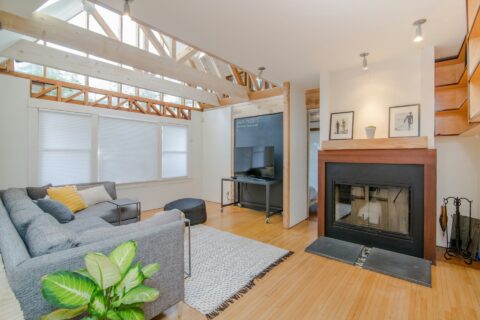
Transforming Your Home Without Moving
Many Dallas homeowners are staying put and reworking the homes they already love. With a tight housing market…
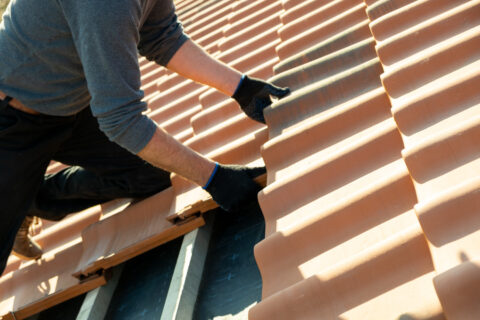
When summer storms roll across Dallas and Fort Worth, they leave more than a wet yard behind. Roofs get hammered by hail, shingles crack, gutters…