
Guide to Maximizing Small Bathroom Spaces With Smart Layouts
Small bathrooms can often feel more frustrating than functional. Cabinets are too bulky, counters are too tight, and there’s never enough storage in the right place. With good planning, even the smallest bathroom can feel cleaner, more open, and easier to use. It comes down to making smart choices at the start of the remodeling process.
We have worked with many Dallas families who wanted to make the most of their small bathrooms. With thoughtful layouts and features that serve multiple purposes, it is possible to turn a tight space into one that works better. As part of our bathroom renovation work, we regularly help homeowners plan layouts that maximize space, light, and function so every square foot feels useful. Dallas bathroom remodeling centers around the idea that every inch matters, whether it is used for storage, movement, or just extra breathing room.
Start With the Right Layout for the Space You Have
Before picking tile colors or faucet styles, layout should come first. The way walls, doors, and plumbing are arranged will guide what can fit where without overcrowding.
Here are a few ways to make a small bathroom layout work harder:
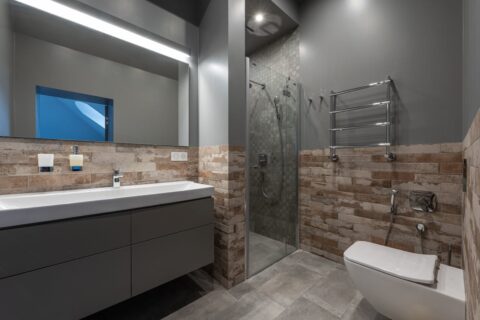
- Use corner showers or wall-mounted sinks to free up floor space
- Try pocket or sliding doors to avoid losing swing space
- Stack vertically by adding narrow cabinets or storage over the toilet
Everything should feel like it has space to breathe. Instead of forcing in bigger fixtures, choosing the right size and shape helps keep walkways clear. We have seen how small adjustments, like shifting a vanity six inches, can make a big difference in how a room looks and feels. Something as simple as moving a wall a bit, or swapping the swing of a door, can dramatically change how usable the space becomes every day.
When looking at the options, it helps to sketch out the existing space and review layouts from other projects. Seeing how items fit on paper can prevent surprises once the work starts. It is important to account for real-life needs too, like space for storage baskets or a spot to hang towels right near the shower. Often, creative rearrangements deliver big results in comfort and functionality.
Use Built-Ins and Storage That Fit the Room
Storage can make or break the function of a small bathroom. When drawers hit doors or towel racks are hung too close to the sink, it all gets annoying fast. Thoughtful storage helps avoid that cluttered feeling.
Some of the best options for small bathrooms include:
- Recessed shelves built into the wall cavity between studs
- Vanities with deep drawers or floor-to-ceiling towers
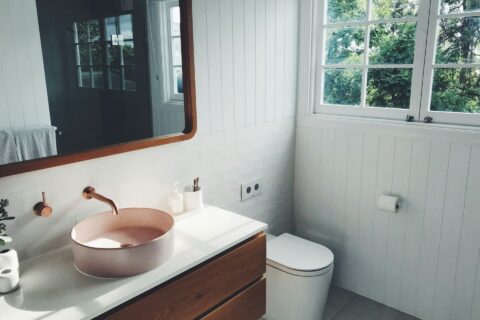
- Light colors and mirrors to open up tight corners visually
Instead of adding more items, we look for ways to build storage into the room itself. Shallow cabinets built into side walls or narrow vertical shelving can blend in without taking up open space. Storage above eye level is another trick, open shelving above doors or mirrors can keep the items you use less often up and out of the way, but still close when needed.
Drawer organizers, hooks, and baskets can also be integrated to keep everything tidy. We pay attention to how people move around the room, so that cleaning supplies, daily toiletries, and extra towels all have dedicated spots. When storage is designed to fit the space, it can help prevent clutter from taking over flat surfaces and still keep essentials within reach.
Pick Features That Do Double Duty
When space is limited, every item needs to work harder. Choosing features that can serve more than one purpose gives you more use without needing more room.
Here are examples of how to make features multitask:
- Furniture-style vanities that hide storage inside seating or counter space
- Towel bars or hooks placed behind doors or inside closet panels
- Floating benches that offer a place to sit and store items underneath
It is about building a space that actually fits into daily life. When everything has a place, the whole room feels calmer. You do not need large cabinets to keep things organized if the features are designed well.
Adding mirrors that double as medicine cabinets is another favorite way to save space. We have also seen lighting fixtures that include built-in shelves above or below them, a little extra space goes a long way. When picking new items for the room, it is helpful to ask if that piece could do more than one job, even if the benefit is small. In a compact bathroom, features that multitask add comfort and make the most out of every inch.
Focus on Flow and Lighting
Sometimes it is not the size of the bathroom but how it feels when you walk in. Bumping into corners, poor lighting, or off-center features can make a space more frustrating than it needs to be. Paying attention to flow and brightness makes the bathroom easier and more comfortable to use.
Good layout and lighting choices include:
- Placing mirrors where they bounce natural light around
- Keeping clear walkways between the toilet, sink, and tub
- Using layered lights (ceiling, vanity, and accent) with dimming options
Even a simple light above the shower or an under-cabinet strip along the vanity can take a bathroom from dim and closed-in to open and usable. Brightness matters, especially in small rooms. Near Dallas, Texas, summer brings strong sunshine that can be used with the right windows or glass.
Spacing between fixtures changes how open the room feels. For example, shifting the vanity just a few inches can make it easier to move, and keeping the space open underneath the sink can add a sense of airiness. Choosing the right mirrors and lighter wall colors helps reflect more light around the room, making it feel larger without changing any walls.
When all the lighting is layered, it helps keep the bathroom bright in the morning but soft at night when you want things more relaxed. Dimmers and accent lighting can add to the mood. Aim for a balance where everything is easy to see but nothing feels harsh or too dim.
A Bathroom That Works Hard Without Feeling Small
A smart layout can completely change how a small bathroom feels without changing the room size. Better flow, smart lighting, the right fixtures, and built-in storage all make it easier to keep the space neat and simple to use. We have seen this happen again and again. A few good changes can turn a tight bathroom into one of the most functional rooms in the house.
It all starts with a plan. We focus on the full process from design through the finishing touches, so the end result does not just fit the space, it fits the way you live. With summer on the way and remodeling season approaching, this is a great time to start thinking about how a smarter bathroom layout could make your life easier every day.
At Level 1 General Construction, we handle everything from thoughtful design to the completed project. We are a small husband and wife business that shapes each remodel to fit your home and lifestyle, even when space is tight. As a full-service general contractor for the Dallas/Fort Worth area, our work can include cabinetry, tile, flooring, lighting, plumbing, and final installation under one coordinated plan. If you are updating a compact bathroom in the Dallas area, our full process approach can make it more functional and comfortable. You can learn more about our work with Dallas bathroom remodeling and how we bring smart ideas to life. Contact us to get started.
A well-designed bathroom should do more than just look nice. It should be easy to move around in, easy to use, and just feel good to be in. That’s…
Older homes across Fort Worth carry a kind of charm that newer builds just don’t have. The crown molding, original tile, and vintage fixtures all…